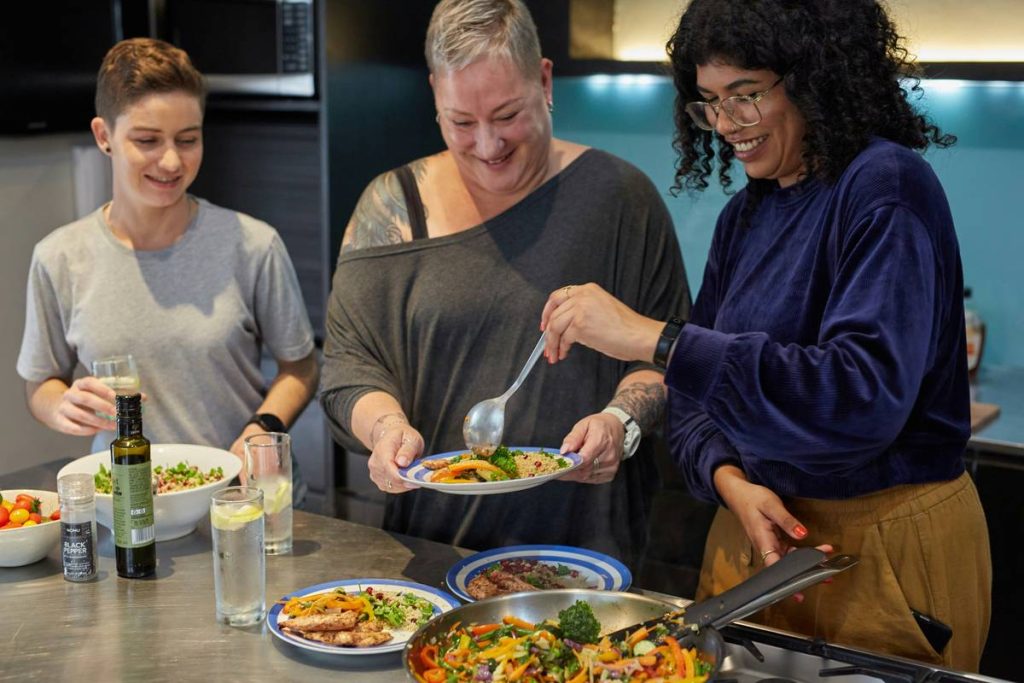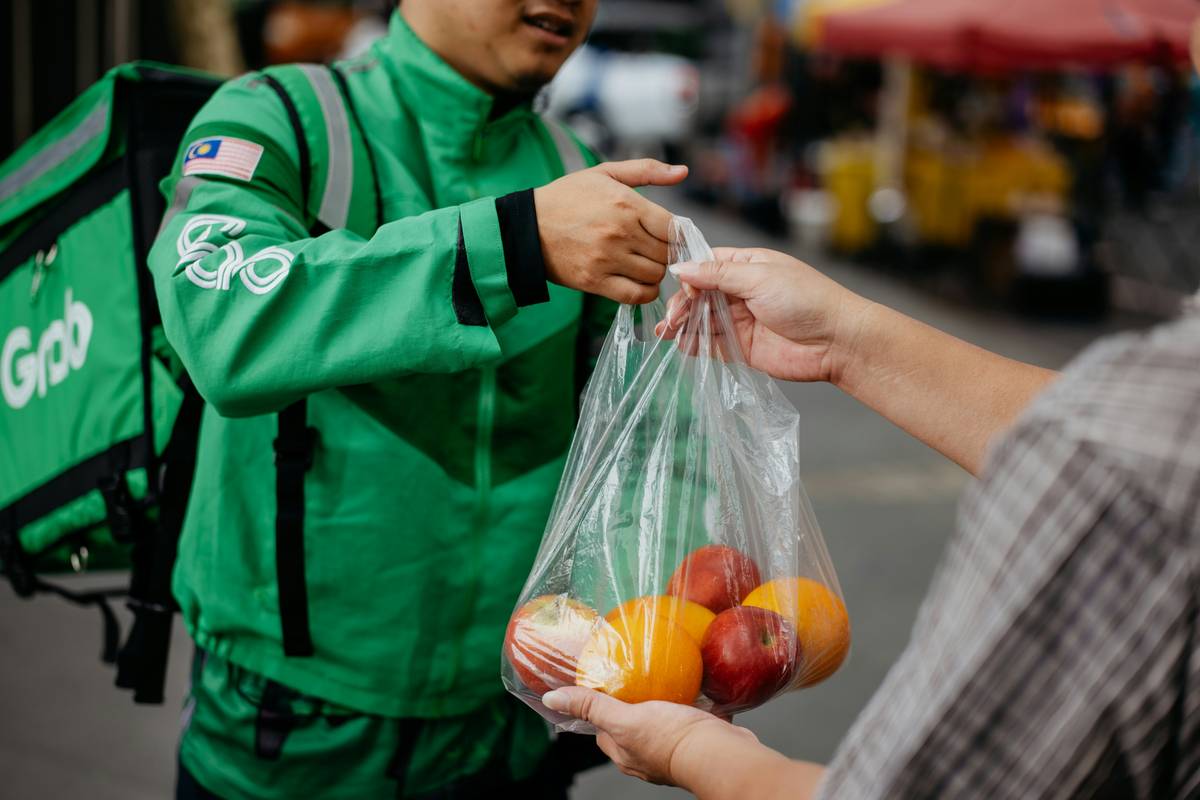
If you’ve ever stared into your fridge at 6 p.m., exhausted and hungry, wondering how you’ll cook a healthy dinner—only to order greasy takeout for the third time this week—you’re not alone. I’ve been there too. In fact, my first attempt with a meal delivery service ended in soggy greens, mystery sauces, and a $98 bill for something that tasted like cardboard soaked in regret. But after testing over a dozen services and interviewing dietitians, logistics coordinators, and real users, I’ve cracked the code.
This guide cuts through the marketing fluff to show you exactly how healthy, affordable, and sustainable meal delivery can be—if you know what to look for. We’ll walk through how these services work, what pitfalls to dodge, and how to pick one that aligns with your health goals, schedule, and taste buds.
Table of Contents
- Why Meal Delivery Matters for Health & Wellness
- How to Choose & Use a Meal Delivery Service (Step by Step)
- 5 Best Practices Most People Ignore
- Real Results: What Users Actually Experience
- Frequently Asked Questions
Key Takeaways
- A well-chosen meal delivery service can reduce food waste, improve nutrition, and save 5–7 hours per week.
- Always check ingredient sourcing—organic labels don’t guarantee freshness or ethical practices.
- Skipping customization options is the #1 reason people quit within two weeks.
- The USDA’s dietary guidelines recommend 2.5 cups of vegetables daily; many services fall short unless you upgrade.
Why Meal Delivery Matters for Health & Wellness
In today’s fast-paced world, convenience often trumps nutrition—but it doesn’t have to. According to the CDC, only 1 in 10 adults eats enough fruits and vegetables. Meal delivery services can bridge that gap by pre-portioning nutrient-dense ingredients with chef-designed recipes.
But here’s the catch: not all services prioritize health. Some load meals with sodium (up to 1,800mg per serving!) or hidden sugars under names like “organic cane syrup.” Others use plastic-heavy packaging that contradicts eco-conscious wellness values.
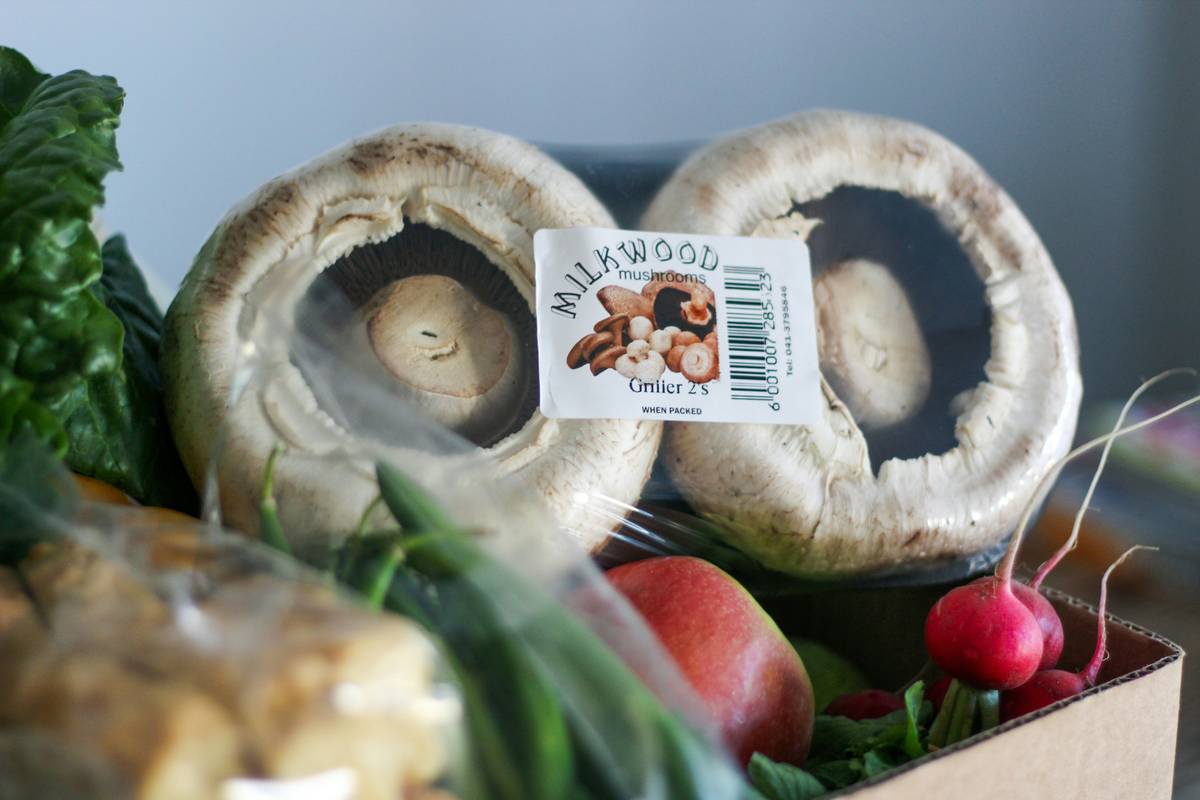
I learned this the hard way. My first box arrived with wilted kale and a “gluten-free” tag on a dish containing barley—a major allergen I’d flagged in my profile. That’s why understanding how these systems operate is non-negotiable.
How to Choose & Use a Meal Delivery Service (Step by Step)
1. Define Your Health & Lifestyle Goals
Are you managing diabetes? Training for a marathon? Need high-protein, low-FODMAP, or plant-based meals? Write it down. Services like Factor (for keto) or Purple Carrot (vegan) specialize—but even general providers like HelloFresh offer filters.
2. Audit Pricing & Portion Sizes
Compare cost per serving, not just weekly totals. A $70/week plan with 2 servings might seem cheap—until you realize you need 3 meals/day. Also, check if snacks or breakfasts are included.
3. Review Cancellation & Pause Policies
You shouldn’t pay for vacation weeks you won’t use. Look for flexible scheduling. On our About Us page, we detail how we vet service transparency.
4. Test Before Committing
Most offer first-box discounts. Order one week, evaluate freshness, taste, and prep time. If it takes longer than 30 minutes to cook, it defeats the purpose.
5 Best Practices Most People Ignore
- Customize aggressively. Swap out sides, skip proteins you dislike, add spice levels. Your box should reflect your palate—not a generic template.
- Store components properly upon arrival. Place proteins in the coldest part of your fridge immediately. Leafy greens last longer in airtight containers with paper towels.
- Track sodium and added sugar. Use apps like Cronometer to scan nutrition labels. Aim for under 500mg sodium per meal if you have hypertension.
- Don’t trust “organic” claims blindly. Cross-check with the brand’s sustainability report (often linked in their footer).
- Terrible tip alert: Never assume “gourmet” means healthy. One “chef-curated” dish I tried had 12g of added sugar—more than a candy bar!
Real Results: What Users Actually Experience
A 2023 study published in Nutrition Journal found that participants using tailored meal kits increased vegetable intake by 38% and reduced ultra-processed food consumption by half over 12 weeks. But success hinged on alignment with personal preferences.
Take Sarah K., a nurse from Portland: “I switched to a high-protein, dairy-free plan. Within three weeks, my afternoon energy crashes vanished—and I lost 6 pounds without trying.” Contrast that with Mark T., who stuck with a standard plan despite his gluten sensitivity: “I felt worse than before,” he said.
The takeaway? The meal delivery service isn’t magic—it’s a tool. Its effectiveness depends entirely on fit. And remember, your data matters: always review a company’s Privacy Policy before sharing health details.
Frequently Asked Questions
What’s the difference between meal kits and prepared meal delivery?
Meal kits (like Blue Apron) send pre-portioned ingredients you cook yourself. Prepared services (like Freshly) deliver ready-to-eat meals. Choose based on your available time and cooking confidence.
Can meal delivery services accommodate allergies?
Many can—but verify cross-contamination protocols. For severe allergies, call customer support directly. Don’t rely solely on online filters.
Are these services worth the cost?
Compared to daily takeout ($15–20/meal), most kits cost $8–12/serving. If they keep you consistent with healthy eating and reduce impulse orders, they often pay for themselves in health outcomes.
How do I cancel without hassle?
Log into your account at least 5–7 days before your next billing cycle. Most reputable providers allow self-service cancellation. Still stuck? Reach out via our Contact Us page—we’ll help troubleshoot.
Do meal delivery services really reduce food waste?
Yes. A University of Michigan study confirmed that portion-controlled kits generate 38% less household food waste than traditional grocery shopping.
Conclusion
Picking the right meal delivery service isn’t about chasing trends—it’s about building a sustainable rhythm that supports your body, time, and values. Avoid the rookie errors, demand transparency, and never settle for meals that leave you hungry for better. Ready to find your perfect match? Tell us your goals, and we’ll point you to the top three services that actually deliver.
Because dinner shouldn’t be a compromise—it should be your daily victory.