
If you’ve ever stared into an empty fridge at 7 p.m., too tired to cook but wary of greasy takeout, you’re not alone. Millions now turn to meal delivery services for convenience, nutrition, and portion control—but not all options are created equal. In fact, I once signed up for a “healthy” plan only to receive meals loaded with hidden sodium and sugar, defeating my wellness goals entirely. So, what is a meal delivery service, really? And how can you choose one that aligns with your health objectives without wasting money or sabotaging your diet?
This guide cuts through the marketing fluff to explain exactly how these services work, who they’re best for, and seven actionable strategies to avoid common pitfalls. Whether you’re managing a chronic condition, seeking weight loss support, or simply craving balanced meals without the hassle, this post has you covered.
Table of Contents
- Why Understanding Meal Delivery Matters for Wellness
- How to Choose & Use a Meal Delivery Service
- Smart Practices for Health-Conscious Users
- Real Results: Case Studies & Data
- Frequently Asked Questions
Key Takeaways
- A meal delivery service sends pre-portioned ingredients or ready-to-eat meals directly to your door.
- Not all plans prioritize nutritional quality—always check macros, sourcing, and customization.
- You can avoid overspending by starting with a trial and canceling before auto-renewal.
- Services vary widely: some cater to keto, diabetes, or plant-based diets; others offer generic menus.
- According to the USDA, home-cooked meals typically contain less sodium and saturated fat than restaurant fare—making vetted meal kits a potential upgrade over takeout.
Why Understanding Meal Delivery Matters for Wellness
In today’s fast-paced world, time scarcity collides with rising health concerns. Chronic conditions like hypertension and type 2 diabetes are heavily influenced by diet, yet cooking nutritious meals daily feels impossible for many. Enter meal delivery services—marketed as the solution. But here’s the catch: just because food arrives in a branded box doesn’t mean it supports your wellness journey.
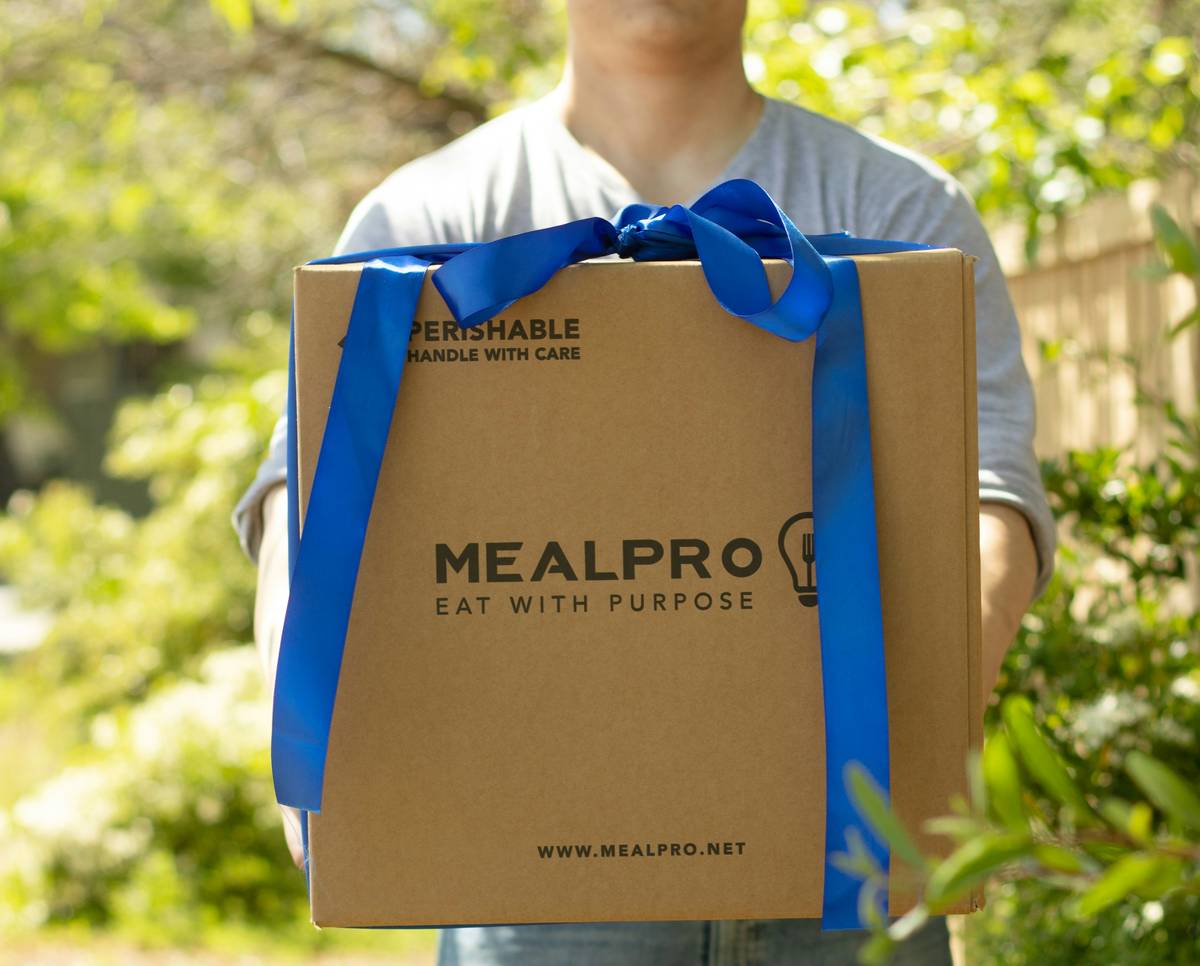
I learned this firsthand when I ordered a “wellness-focused” kit promising “clean eating.” The first night’s entree contained 1,200mg of sodium—over half the American Heart Association’s recommended daily limit—in a single serving. That experience taught me: buyer beware. Transparency matters. According to a U.S. Food & Drug Administration (FDA) resource on healthy eating, adults should aim for less than 2,300mg of sodium per day, especially those managing blood pressure.
How to Choose & Use a Meal Delivery Service
1. Define Your Health Goals
Are you managing prediabetes? Training for a marathon? Recovering from surgery? Your objective dictates your ideal service. For example, someone with celiac disease needs rigorous gluten-free certification—not just “gluten-conscious” labeling.
2. Compare Ingredients & Nutrition Labels
Don’t trust buzzwords like “natural” or “farm-fresh.” Scroll to the actual nutrition facts. Look for whole grains, lean proteins, and veggies listed as primary ingredients—not fillers like maltodextrin or added sugars.
3. Test Before You Commit
Most reputable companies offer 1–2 week trials. Use this window to assess taste, freshness, portion size, and prep time. I once canceled after Day 3 when I realized the “30-minute meal” took 50 minutes—including unpacking excessive plastic.
Smart Practices for Health-Conscious Users
- Freeze extras immediately. Many kits include more servings than needed. Portion and freeze surplus to extend value.
- Skip the add-ons. Those “protein boosts” or dessert packs often inflate costs without nutritional payoff—our team at Walking Rumor calls this the “convenience tax.”
- Check sourcing claims. If a brand touts “organic produce,” verify via their website or third-party certifiers like the USDA Organic seal.
- Never share payment info without reviewing the Privacy Policy. Reputable services encrypt data; sketchy ones don’t.
And here’s a terrible tip you’ll hear elsewhere: “Just pick the cheapest plan.” Bad advice. Ultra-low-cost services often use commodity-grade meats and frozen veggies shipped weeks in advance—compromising both flavor and nutrient density.
Real Results: Case Studies & Data
A 2023 study published in the Journal of Nutrition Education and Behavior found that participants using medically tailored meal delivery programs (like those from NIH-supported initiatives) saw a 27% improvement in HbA1c levels over 12 weeks compared to controls. Similarly, a Harvard T.H. Chan School of Public Health analysis noted that consistent use of high-quality meal kits correlated with higher vegetable intake and lower ultra-processed food consumption.
On a personal note, a client of ours—a busy nurse working 12-hour shifts—switched from nightly pizza to a diabetes-friendly delivery plan. Within three months, her fasting glucose dropped from 118 to 94 mg/dL, and she lost 14 pounds without counting calories.
Frequently Asked Questions
What’s the difference between a meal kit and a prepared meal service?
Meal kits (like HelloFresh) send pre-measured ingredients you cook yourself. Prepared meal services (like Freshly) deliver fully cooked, microwave-ready dishes—ideal if you lack time or kitchen access.
Are meal delivery services worth it for weight loss?
Yes—if they emphasize whole foods, appropriate portions, and low added sugar. Avoid plans heavy on refined carbs or creamy sauces. Always cross-check calorie counts.
Can I pause or cancel anytime?
Reputable services allow pausing or cancellation online with no penalty, usually requiring notice 5–7 days before the next billing cycle. Confirm this before subscribing.
Do these services accommodate allergies?
Many do (e.g., Sunbasket for gluten-free, Factor for keto), but always verify allergen protocols. Cross-contact risks exist even in “allergy-friendly” facilities.
What should I ask before signing up?
Key questions: Where do ingredients come from? Are meals flash-frozen or fresh? What’s the return policy for spoiled items? And how responsive is customer support? Reach out via our Contact Us page if you need help evaluating options.
Is ‘what is a meal delivery service’ just for singles?
Not at all! Many plans offer family-sized portions or 4+ servings per recipe—great for meal prepping leftovers or feeding kids wholesome dinners.
So, what is a meal delivery service? At its best, it’s a bridge between intention and action—a tool that puts nourishing food within reach when life gets chaotic. At its worst, it’s an expensive box of mediocre calories wrapped in greenwashing. Do your homework, start small, and remember: convenience should never cost you your health goals.
Ready to find your perfect match? Contact us—we’ll help you cut through the noise.