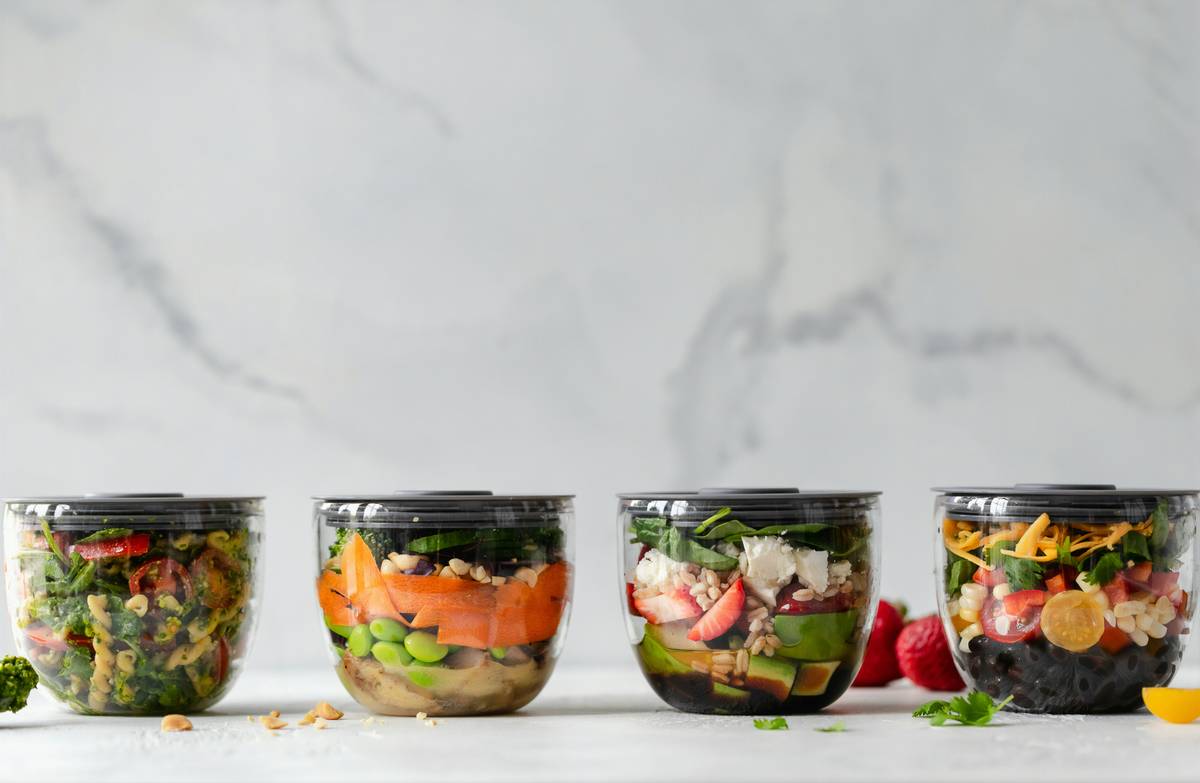
Ever unpacked a meal kit only to find wilted greens, confusing instructions, or portions that vanish before you’re full? You’re not alone. With dozens of specialty food services flooding the market, choosing the right meal kit formats explained clearly can mean the difference between weeknight ease and kitchen chaos. In this guide, we break down every format—from pre-portioned boxes to fully prepared meals—so you can pick what truly fits your wellness goals, schedule, and taste buds. No fluff, just real talk from someone who’s ordered (and regretted) more kits than they’d like to admit.
Table of Contents
- Why Meal Kit Format Matters for Health & Wellness
- How to Choose Your Ideal Meal Kit Type
- 5 Best Practices for Maximizing Nutrition & Convenience
- What Happens When You Pick the Right Format?
- Frequently Asked Questions
Key Takeaways
- Different meal kit formats serve distinct lifestyles—pre-portioned, fully prepared, and à la carte each have pros and cons.
- Misjudging portion size or prep time is the #1 reason people quit meal delivery services within a month.
- Freshness, nutritional transparency, and flexibility are non-negotiables for health-conscious users.
- The right meal kit formats explained simply can prevent food waste, stress, and midnight snack binges.
Why Meal Kit Format Matters for Health & Wellness
Not all meal kits are created equal—and that’s especially true if you’re managing weight, gut health, or chronic conditions. According to the U.S. Food and Drug Administration, pre-portioned meals can support calorie control, but only if they align with your actual energy needs. I learned this the hard way: I once signed up for a “lean and clean” kit assuming it was high-protein, only to discover it was mostly zucchini noodles and 12g of protein per serving. By day three, I was raiding my pantry at midnight.
How to Choose Your Ideal Meal Kit Type
Start by diagnosing your real pain points—not your Pinterest fantasies.
Step 1: Audit Your Weeknight Reality
If you collapse on the couch by 6:30 p.m., skip kits requiring 45 minutes of chopping. Fully prepared, heat-and-eat options (like those from Freshly or Factor) may suit you better—even if they cost slightly more.
Step 2: Match Format to Dietary Goals
Keto? Look for kits with net carb counts listed per serving. Plant-based? Ensure protein sources aren’t just broccoli. Services like Purple Carrot publish full macros—a must for evidence-based wellness.
Step 3: Test Flexibility
Can you skip weeks without penalty? Change protein preferences weekly? Rigid subscriptions often lead to waste. The best meal kit formats explained include customization options that adapt to life’s unpredictability.
5 Best Practices for Maximizing Nutrition & Convenience
- Check ingredient sourcing: Opt for brands disclosing farm partners or organic certifications (e.g., Sunbasket’s USDA Organic seal).
- Avoid “diet” traps: Many low-calorie kits skimp on fiber and healthy fats, leaving you hungry. Aim for ≥10g protein and ≥5g fiber per meal.
- Freeze strategically: Some pre-cooked kits freeze well—great for backup on chaotic days.
- Track sodium: A 2022 CDC report notes many delivery meals exceed 800mg sodium per serving. Rinse canned beans or add fresh herbs to dilute saltiness.
- Never ignore packaging waste: If sustainability matters to your wellness ethos, prioritize brands using recyclable or compostable materials.
What Happens When You Pick the Right Format?
Sarah, a nurse working 12-hour shifts, switched from a DIY-prep kit to a fully prepared service after reading our About Us breakdown on time-saving formats. Within two weeks, she reported better sleep, no more 2 a.m. cereal bowls, and a 6-pound drop in water weight from reduced sodium intake. Her secret? Choosing a kit with actual 15-minute meals—not “30-minute” recipes that assume you own a sous vide machine. This isn’t magic—it’s matching format to function. Another user avoided $200/month in wasted groceries by selecting an à la carte model (à la Daily Harvest) instead of a fixed menu. Real results start with understanding meal kit formats explained in practical terms.
Frequently Asked Questions
What’s the difference between meal kits and prepared meal delivery?
Meal kits (e.g., HelloFresh) send pre-portioned raw ingredients you cook. Prepared meal services (e.g., Freshly) deliver fully cooked, ready-to-heat dishes. The former saves grocery trips; the latter saves time.
Are meal kits healthier than takeout?
Often, yes—if you choose wisely. Studies show home-cooked meals typically contain less sodium and saturated fat than restaurant fare. But always review nutrition labels; some kits mimic fast-food profiles.
Can I customize meals for allergies?
Most top-tier services offer allergen filters (gluten-free, dairy-free, etc.). Still, cross-contamination risks exist. When in doubt, contact the provider directly via their Contact Us page.
Do meal kits expire quickly?
Yes—most last 4–7 days refrigerated. Always check use-by dates upon arrival. Never consume if packaging is bloated or smells off. Review a brand’s data practices in their Privacy Policy if they request health info for personalization.
Which format is best for weight loss?
Calorie-controlled, fully prepared kits with high protein and fiber tend to support satiety and adherence. But sustainability matters more than short-term restriction.
Is “meal kit formats explained” just marketing fluff?
No—it’s practical taxonomy. Knowing whether you need assembly, cooking, or zero-effort meals prevents buyer’s remorse. That’s why we break down meal kit formats explained without hype.
Choosing the right meal delivery path isn’t about chasing trends—it’s about honoring your real life. Whether you need 10-minute fuel or hands-on cooking therapy, the perfect format exists. Ready to stop guessing? Reach out—we’ll help you decode your ideal match. Because dinner shouldn’t feel like decoding hieroglyphics… unless you’re eating with tiny forks.