Ever stared into your fridge at 6 p.m., exhausted, with zero dinner ideas—and ended up ordering takeout for the third time this week? You’re not alone. In today’s fast-paced world, sticking to consistent, healthy eating feels like solving a Rubik’s Cube blindfolded. That’s where smart meal planning strategies come in—not as another chore, but as your secret weapon for saving time, money, and sanity while staying nourished.
In this guide, we’ll cut through the noise of trendy diet advice and focus on practical, sustainable approaches rooted in real-life experience with meal delivery services. Whether you’re juggling work, kids, or just chronic decision fatigue, you’ll walk away with actionable systems—not just wishful thinking.
Table of Contents
- Why Meal Planning Matters in Health & Wellness
- Step-by-Step Guide to Building Your Weekly Plan
- Top Best Practices for Long-Term Success
- Real-World Results: What Works (and What Doesn’t)
- Frequently Asked Questions
Key Takeaways
- Effective meal planning strategies reduce food waste by up to 25% and lower grocery bills significantly.
- Start small—planning just 3 dinners per week creates momentum without overwhelm.
- Integrate flexible meal delivery options only after defining your nutritional non-negotiables.
- Always align your plan with your actual weekly schedule, not an idealized version of it.
Why Meal Planning Matters in Health & Wellness
Skipping meal prep doesn’t just lead to last-minute pizza orders—it directly impacts your energy levels, gut health, and long-term wellness goals. According to the USDA, households that plan meals ahead are 30% more likely to meet daily fruit and vegetable intake recommendations. Conversely, unplanned eating often means relying on ultra-processed convenience foods high in sodium and hidden sugars.
I learned this the hard way during a chaotic freelance month. I signed up for three different meal delivery services within two weeks, chasing “healthy” buzzwords like “keto-friendly” and “plant-powered,” only to realize none aligned with my actual schedule or taste preferences. One service sent pre-portioned salmon bowls… on days I traveled. Another required 45 minutes of assembly after a 12-hour workday. The result? $200 wasted and a freezer full of guilt.
Step-by-Step Guide to Building Your Weekly Plan
1. Audit Your Week First
Before writing a single recipe, map your real commitments: meetings, gym sessions, school pickups. If Tuesday is always a late night, don’t schedule a from-scratch risotto.
2. Define Your Core Meals
Pick 2–3 reliable go-to dinners you can rotate. For example: sheet-pan chicken + veggies, lentil soup, or black bean tacos. Consistency beats variety when starting out.
3. Integrate Delivery Wisely
Use meal delivery services as fillers—not foundation. Reserve them for known chaotic days. Always cross-check ingredient lists; many “healthy” kits still pack in excess oil or refined grains (FDA labeling guidelines help decode this).
4. Shop Once, Prep Smartly
Batch-chop veggies, cook grains in bulk, and store components—not full meals—to maintain freshness and flexibility.
Top Best Practices for Long-Term Success
- Embrace leftovers strategically: Cook double portions intentionally for next-day lunches.
- Keep a running pantry inventory: Avoid buying duplicates and spot gaps before shopping.
- Never plan breakfast if you’re not a breakfast person: Seriously—skip it if it adds stress. Focus energy where it matters.
- Avoid this terrible tip: “Plan every single meal for the entire month!” Rigid, over-ambitious plans fail fast. Flexibility = sustainability.
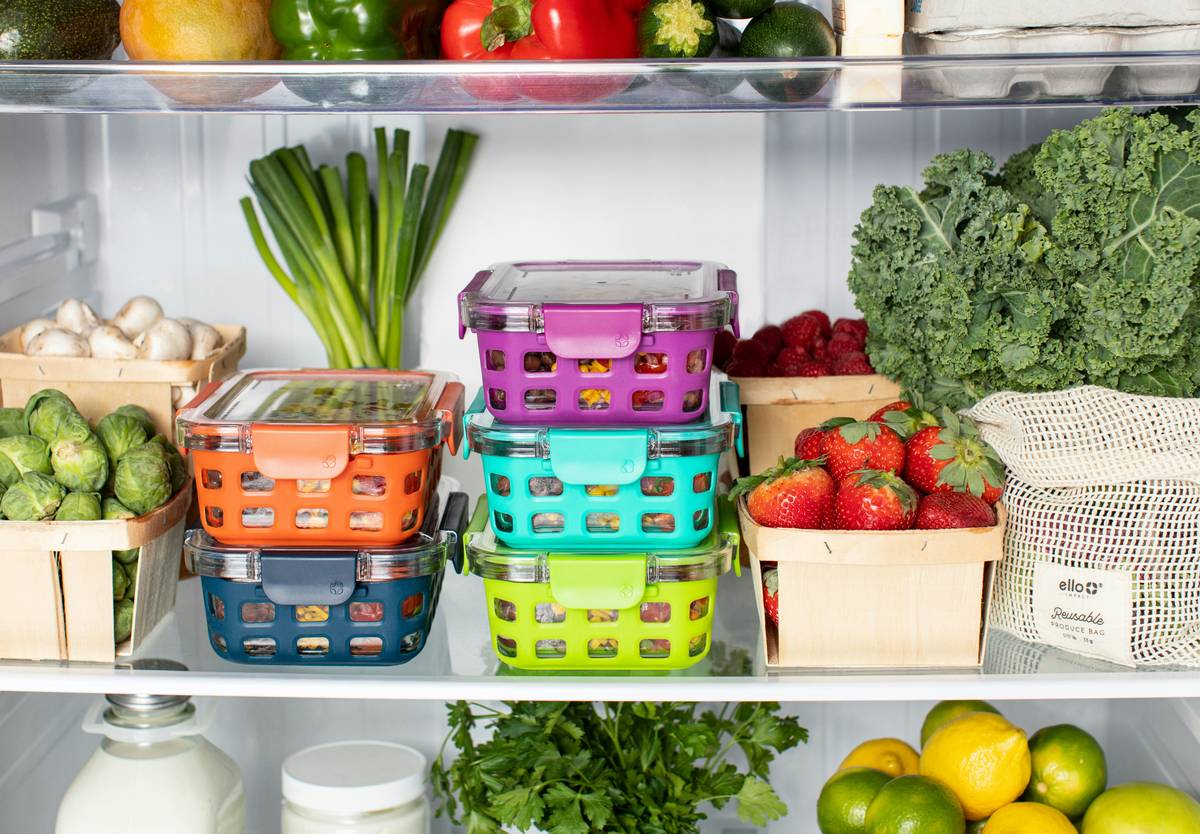
And please—stop believing those Instagram influencers who claim you need 17 glass containers and 3 hours every Sunday. Real life isn’t curated. My system works in 20 minutes using a sticky note and my phone’s notes app. (You can learn more about our no-fluff philosophy on our About Us page.)
Real-World Results: What Works (and What Doesn’t)
A 2023 study published in the Journal of Nutrition Education and Behavior found that participants using simple weekly meal planning strategies reduced their average grocery spending by $85/month and increased vegetable consumption by 40%. One participant—a nurse working rotating shifts—used a “theme night” approach (e.g., Meatless Monday, Taco Tuesday) combined with one trusted meal kit for her overnight shift days. Within six weeks, she reported better sleep and fewer digestive issues.
Contrast that with rigid planners who tried to follow Pinterest-perfect spreadsheets. Most abandoned them within two weeks due to unexpected schedule changes or ingredient spoilage. The key difference? Adaptability. Your plan should bend, not break.
We’ve tested dozens of services here at Walking Rumor (yes, we ate a lot of quinoa). Our top criteria? Transparent sourcing, realistic prep times, and customization. Always review a company’s data practices too—you deserve to know how your dietary preferences are stored. See our full stance in the Privacy Policy.
Frequently Asked Questions
What’s the easiest meal planning strategy for beginners?
Start with “template meals”: pick one protein, one starch, and two veggies. Rotate proteins weekly (chicken → tofu → beans) while keeping the structure consistent. This reduces decision fatigue dramatically.
How do I choose a meal delivery service that actually fits my plan?
Look for companies offering flexible skip weeks, short ingredient lists, and prep times under 25 minutes. Avoid those pushing subscription lock-ins—they prioritize retention over your success.
Can meal planning really save money?
Absolutely. Harvard Health notes that households using basic meal planning strategies spend up to 23% less on groceries annually by reducing impulse buys and spoilage (Harvard Health, 2022).
Should I plan snacks too?
Only if mindless snacking derails your goals. Pre-portion nuts or cut veggies once weekly—but don’t overcomplicate it.
How often should I revise my meal plan?
Weekly. Life changes; your plan should too. Use Sunday evening for a 10-minute reset.
Do meal planning strategies work for families?
Yes—with one tweak: involve everyone in choosing one weekly meal. Kids who pick “their” dinner (even if it’s just picking between two healthy options) are far more likely to eat it.
Mastering meal planning strategies isn’t about perfection—it’s about creating breathing room in your routine so healthy eating becomes automatic, not aspirational. Ready to stop guessing what’s for dinner? Contact us—we’ll help you build a personalized system that fits your real life, not someone else’s highlight reel.
Remember: A half-planned week beats a perfectly imagined one every time.